how much glucose level for diabetes Diabetes correctly diabetic maintaining acceptable
Diabetes is a chronic condition that affects millions of people worldwide. It is characterized by high levels of glucose (sugar) in the blood, either due to the body’s inability to produce enough insulin or inability to use the insulin produced effectively. There are different types of diabetes, each with its own causes, symptoms, and risk factors.
Types of Diabetes:
Type 1 Diabetes: This type of diabetes occurs when the immune system mistakenly attacks and destroys the insulin-producing cells in the pancreas. As a result, the body cannot produce insulin, and glucose levels rise. Type 1 diabetes is usually diagnosed during childhood or adolescence and is managed with insulin therapy.
Type 2 Diabetes: This is the most common form of diabetes, accounting for about 90-95% of cases. It occurs when the body becomes resistant to the effects of insulin or doesn’t produce enough insulin to maintain normal glucose levels. Type 2 diabetes can be managed with a combination of lifestyle changes, oral medications, and insulin injections if necessary.
Gestational Diabetes: This type of diabetes develops during pregnancy and usually resolves after giving birth. However, women who have had gestational diabetes are at a higher risk of developing type 2 diabetes later in life.
Causes of Diabetes: The exact cause of type 1 diabetes is unknown, but it is believed to involve genetic and environmental factors. Type 2 diabetes is primarily influenced by lifestyle factors such as unhealthy eating habits, sedentary lifestyle, obesity, and family history of the disease. Gestational diabetes is caused by hormonal changes during pregnancy.
Symptoms of Diabetes:
Common symptoms of diabetes include:
- Increased thirst and frequent urination
- Unexplained weight loss
- Extreme fatigue and weakness
- Blurred vision
- Frequent infections
- Slow wound healing
- Tingling or numbness in the hands or feet
It is important to note that some people with type 2 diabetes may not experience any symptoms, and the condition may go undiagnosed for years.
Risk Factors for Diabetes:
Several factors increase the risk of developing diabetes:
- Family history of diabetes
- Obesity or being overweight
- Inactivity or a sedentary lifestyle
- High blood pressure
- High cholesterol levels
- Age (risk increases with age)
- History of gestational diabetes
- Polycystic ovary syndrome (in women)
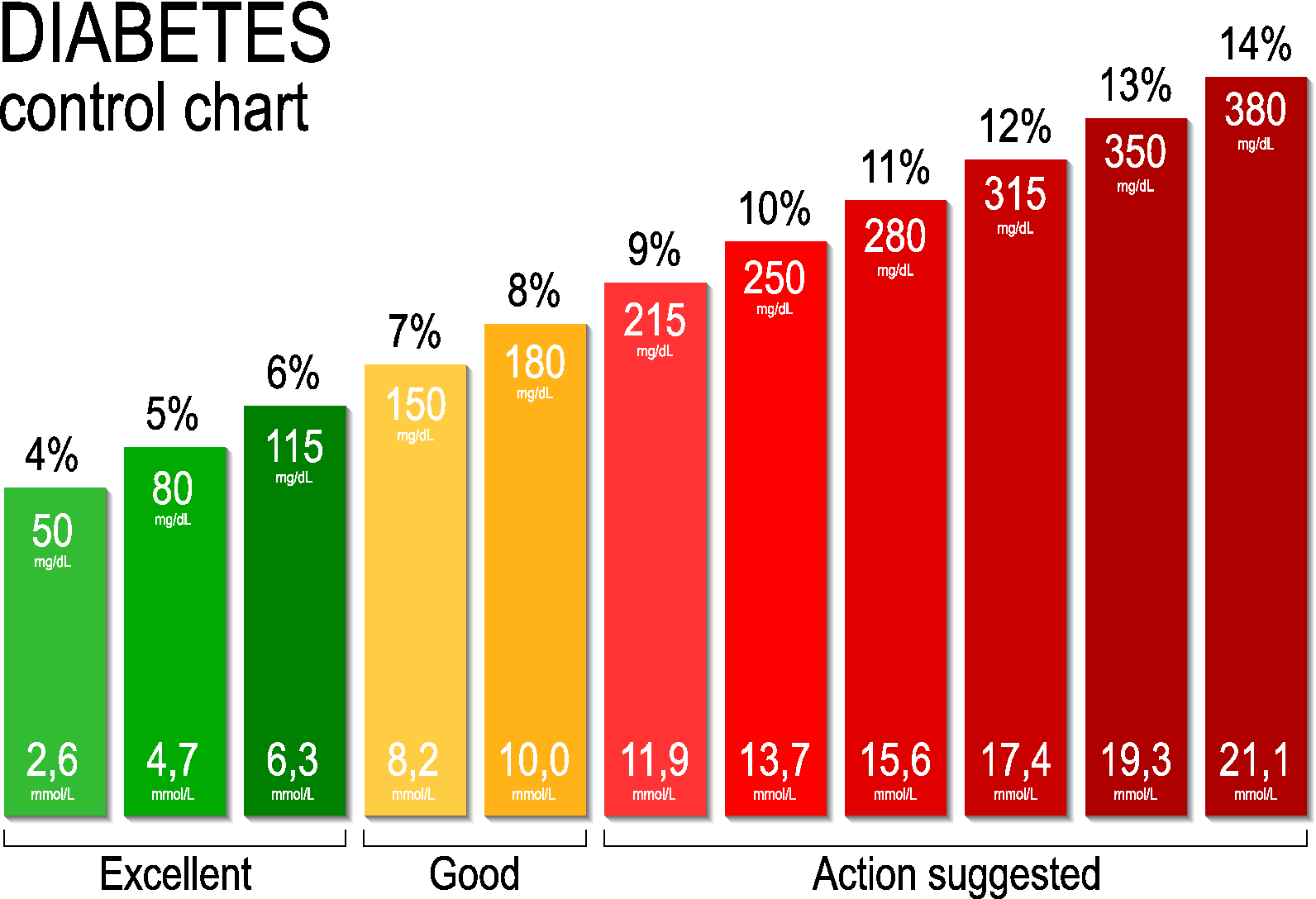
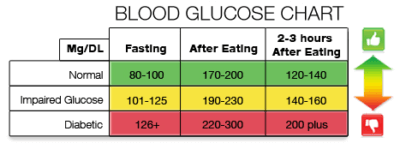
Managing diabetes requires a multi-faceted approach that includes proper nutrition, regular physical activity, medication (if required), and frequent monitoring of blood glucose levels. A glucose levels chart, as shown in the accompanying image, can be a valuable tool for individuals with diabetes and healthcare professionals to track and manage blood glucose levels effectively.

The chart displays different ranges of blood glucose levels, from normal to elevated to dangerously high levels. Regularly checking and maintaining blood glucose within the target range can help reduce the risk of complications associated with diabetes.
In conclusion, diabetes is a complex condition that requires ongoing management and care. It is crucial for individuals with diabetes to work closely with healthcare professionals, such as doctors and dietitians, to develop a personalized treatment plan. By adopting a healthy lifestyle, monitoring blood glucose levels, and following the prescribed treatment regimen, individuals with diabetes can lead fulfilling lives while minimizing the risk of complications related to this chronic condition.
If you are looking for Glucose levels charts you’ve came to the right place. We have 5 Pictures about Glucose levels charts like Normal Blood Glucose Levels Chart | Random Blood Sugar Level, What Is Diabetes, Diabetes Types, Causes, Symptoms, Risk Factors and also Important Health Facts People With Diabetes Should Know. Here it is:
Glucose Levels Charts
in.pinterest.comglucose chart level
How Are High Blood Sugar Levels Treated Correctly? - BloodSugarEasy.com
 bloodsugareasy.comdiabetes correctly diabetic maintaining acceptable
Important Health Facts People With Diabetes Should Know
 procaffenation.comblood glucose sugar levels chart level diabetes normal after range eating fasting food before diabetic health should mg adults meals
What Is Diabetes, Diabetes Types, Causes, Symptoms, Risk Factors
 www.makeupvine.comblood diabetes sugar chart level diabetic healthy glucose acceptable control types maintaining staying key patient causes high prevention symptoms factors
Normal Blood Glucose Levels Chart | Random Blood Sugar Level
 mantracare.orgglucose blood levels diabetes
Blood glucose sugar levels chart level diabetes normal after range eating fasting food before diabetic health should mg adults meals. How are high blood sugar levels treated correctly?. Glucose chart level